
The special exhibition “Samurai” was held at the British Museum from 3 February to 4 May 2026, 150 years after Japan implemented the sword ban in 1876 that is often seen as marking the end of the samurai class. The exhibition built on six years of research and planning by Dr Rosina Buckland (Curator of the Japanese Collections) and myself. It was also informed by a continuing long-term research project on Global Samurai, which has brought together more than two dozen scholars from around the world in online and in-person workshops held at the British Museum, SOAS University of London, and the International Research Center for Japanese Studies in Kyoto. The research findings have fed into the exhibition book Samurai (British Museum Press, 2026); two open access special journal issues, the first of which is Global Samurai I: Special Issue of Japan Review, 41:1 (March 2026); and more forthcoming peer-reviewed journal articles and book chapters, as well as being presented through public events and other media.
Reviews of the exhibition have appeared in media including:
The Guardian: “Samurai review: Japan’s lethal warrior class are shown in all their sexy, demonic glory (Five Stars)”
The Sunday Times: “Samurai at the British Museum review — a ravishing, bloody trip to Japan”
The Telegraph: “The British Museum’s enthralling samurai exhibition blew my mind”
Sankei shinbun: “日英をつなぐサムライ人気 武士の実像への理解深める大英博物館の特別展” (Samurai Popularity Bridging Japan and Britain: British Museum Special Exhibition Deepens Understanding of the True Image of the Warrior)
The New Statesman: “The decline and fall of the samurai There was more to the warriors than a readiness to die for honour”
Smithsonian Magazine: “This New Samurai Exhibition Will Challenge Your Understanding of the Japanese Warrior Class”
The Tatler: “The Samurai were the Medici of Japan – and the British Museum’s new show charting their rise, fall and ensuing myth is utterly captivating”
Times Literary Supplement: “Mary Beard: A Don’s Life, Samurai at the British Museum”
BBC Culture: “‘Fabled knights of old’: The true story of Japan’s mysterious samurai”
Artnet: “British Museum’s ‘Samurai’ Show Reveals the Untold Story of Women Warriors”
Engelsberg Ideas: “Why the samurai still matter: Nearly 700 years after their political dominance ended, Japan’s warrior elite continue to shape global culture”
The Collector (review by Jimmy Chen): “A New British Museum Exhibition Peels Back the Layers of the Samurai Myth”
PocketTactics: “I went to see Assassin’s Creed: Shadows make history at the British Museum Samurai exhibition, and here’s why it’s worth the trip”
Lesley Downer for Historia: “Review: Samurai at the British Museum”
Hindustan Times: “Cracks in the code : How much do we really know about the samurai?”
Ambassador of Japan to the UK Suzuki Hiroshi: “SAMURAI exhibition @britishmuseum is amazing!! Until 4th May. Don’t miss it!!”
Yamada Luna for the MENOME Blog: “なぜ世界はサムライを求め続けるのか?[ロンドン・大英博物館「Samurai」展]”
Yamada Keisuke on Note.com: “大英博物館で初の「SAMURAI展」開催”
Vittorio Cimino for the Japan Society
Business London Press: “Author Calls for Historical Nuance Following Samurai Exhibition Media Debate” (Also in Z News and prfire)
Hiroko Nathan on the Online Journey blog: “大英博物館 SAMURAI展”
Coverage in Japanese television, including: TBS, ANNnews, and Nihon TV
Description from the exhibition website:
“The samurai is an iconic figure, evoking images of formidable fighters possessing ideals of courage, honour and self-sacrifice. Yet much of what we think we know about samurai is invented tradition.
Our concept of samurai today has its origins in medieval reality. A distinct warrior class – known in Japan as bushi – emerged and gained political dominance from the 1100s. But during a prolonged period of peace, beginning in 1615, the samurai moved away from the battlefield to become an elite social class that also included women. Samurai men formed the government, serving as ministers and bureaucrats. Many became leaders in scholarship and the arts, as patrons, poets and painters, in a world where intellectual pursuits were just as important as swordsmanship.

By the late 19th century, the hereditary status of samurai had been abolished and their supposed chivalric values developed into the myth of bushido, or ‘the way of the warrior’. This new code, promoting values of patriotism and self-sacrifice, was harnessed during Japan’s period of colonial expansion and military aggression. The modern mythology of the ‘samurai’ emerged gradually across the 20th century through interactions between Japan and the wider world, with idealised images of the historical warriors increasingly consumed by foreign visitors.
The story of the evolution of the samurai is told through battle gear such as the suit of armour sent by Tokugawa Hidetada to James VI and I, as well as luxury objects such as an intriguing incense connoisseurship game. From a Louis Vuitton outfit inspired by Japanese armour, to the popular, loosely historical videogame Assassin’s Creed: Shadows, the exhibition explores the samurai’s enduring legacy in games, fashion and film.
This major exhibition is a candid look at the real men and women whom we know as samurai, from the battlefields of medieval Japan to the global pop culture of today.”
About the book:
“Exclusive to the British Museum, this paperback catalogue traces the fascinating history of the samurai from medieval warriors to global pop culture phenomena, challenging common preconceptions.
The figure of the samurai is unique in its global intelligibility, read both as a symbol of Japan and as a universal icon of the virtuous and fearless warrior. While the term is now commonly used throughout the world, there is little understanding of the historical reality of the people called samurai, or of the wide variety of ways in which the stereotype has been used over time, both in Japan and elsewhere.
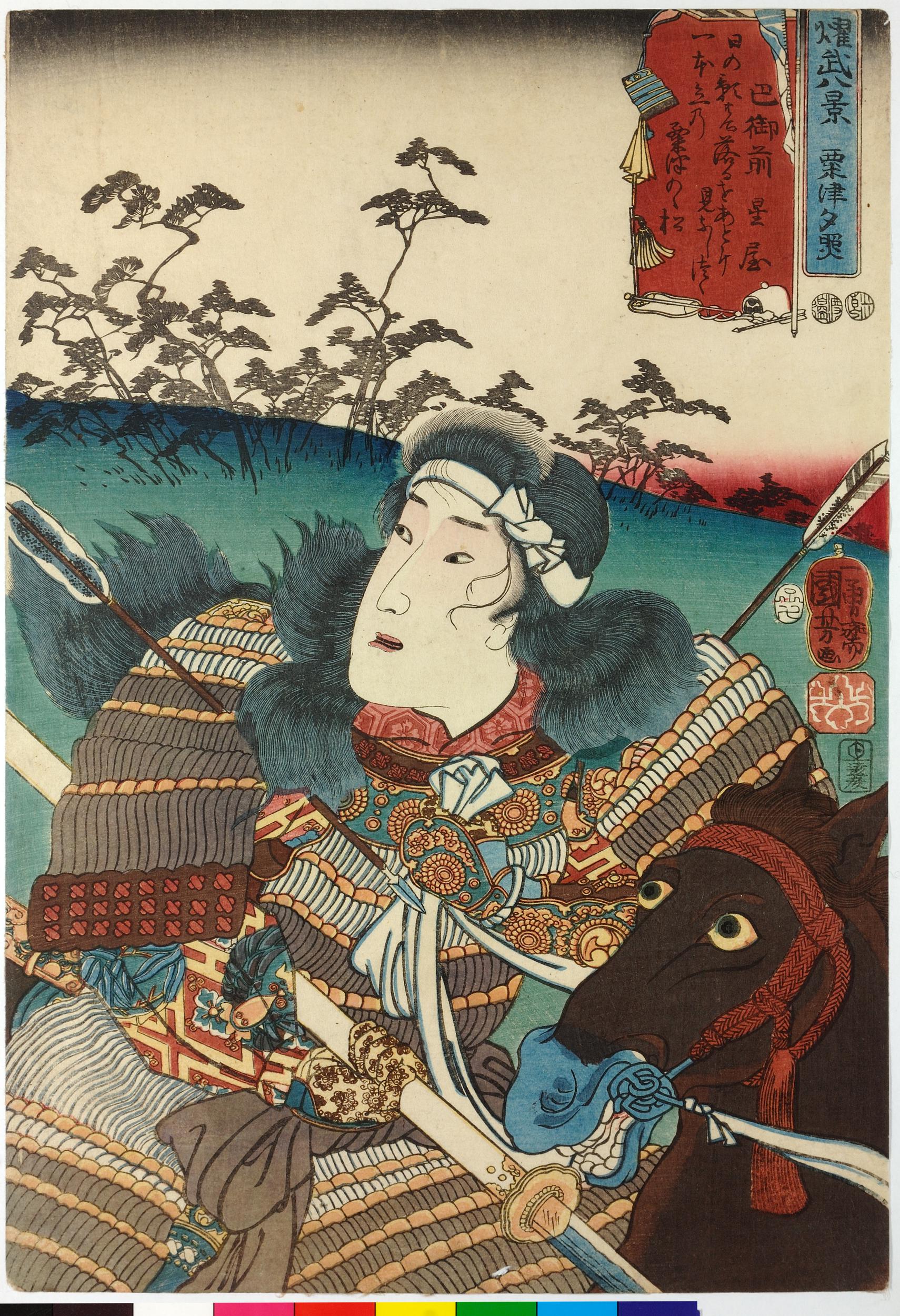
Published to accompany a major exhibition at the British Museum, this is the first book to explore the centuries-long trajectory of the samurai through objects from international collections. It discusses the historical origins of the samurai warrior class in the civil wars of the medieval period and examines the stories they told of their own achievements. From the early 1600s, with the establishment of peace, the samurai became an official class fulfilling a bureaucratic role. The ideal of the medieval warrior took on legendary status, leading to endless representations in popular culture of past examples of heroic valour. As the highest social class, samurai were consumers of deluxe products and their tastes set the standard for the rest of society.
Political tensions intensified during the 1850s, culminating in civil war in 1868 and the abolition of the samurai social class in 1876. With the full opening of Japan to international visitors, the concept of the samurai was packaged for foreign tourists and repurposed to provide a model for the modern soldier in a period of military conflict and colonial expansion.
The image of the samurai has been interpreted and reimagined in Japan and across the world in myriad ways. Discussions of national myth and global samurai bring the story up to the present day through a broad selection of films, television shows, manga, anime, video games and much more. With contributions from international scholars, this groundbreaking title presents the latest research on this fascinating subject.”
Publications:
Rosina Buckland and Oleg Benesch. Samurai. London: British Museum Press, 2026. 304 pp. (Discussed with Nathan Hopson and Ran Zwigenberg on the New Books Network)
Oleg Benesch and Rosina Buckland, eds. Global Samurai I: Special Issue of Japan Review, 41:1 (March 2026). 287 pp, open access.
Radio and Podcasts:
BBC Radio 3: “Sunday Feature: Samurai Culture” with Chris Harding (discussion with Oleg Benesch and Rosina Buckland)
Newstalk (Ireland): “Samurai: the legendary Japanese warriors” on Talking History with Patrick Geoghegan (discussion with Oleg Benesch, Rosina Buckland, and Joe Nickols)
The Rest is History podcast: “Dawn of the Samurai” (4 episodes, Oleg Benesch and Rosina Buckland as consultants). Also available on BBC Sounds.
The Rest is History podcast bonus episode: “The Legacy of the Samurai from Pearl Harbour to Star Wars” (Oleg Benesch discussing with Tom Holland)
New Books Network: Nathan Hopson and Ran Zwigenberg discuss Samurai with Rosina Buckland and Oleg Benesch on the New Books Network.
The Collector (interview with Emily Snow): “Rethinking the Samurai with British Museum Experts“
Events:
“Samurai,” public lecture with Rosina Buckland at the Chalke History Festival, 24 June, 2026.
“Samurai: The Making of a Global Icon” with Matt Alt and Satona Suzuki, online talk and discussion hosted by British Museum Events, 23 April, 2026. (Recording available on YouTube)
“Samurai,” public lecture with Rosina Buckland at the University of York, 16 February 2026 (recording available here)